Home / Blog / Energy and Green IT
BOM Temperature Records Under Attack Again: What's True?
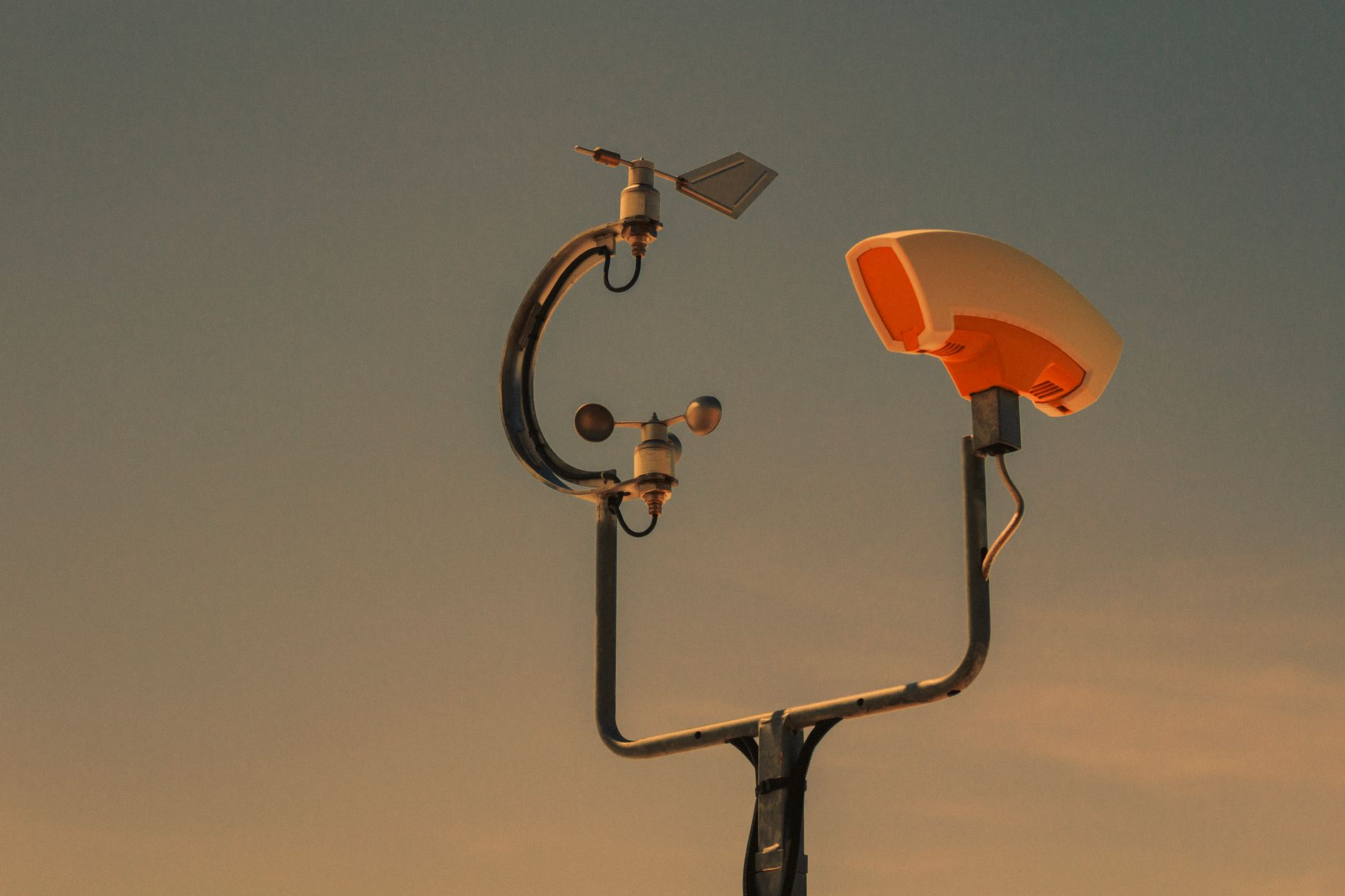
Understanding the Recent Controversy Around Official Climate Records
Australia’s long-term temperature measurements indicate the continent has warmed significantly over the past century, a finding supported by decades of official meteorological tracking. However, critics of environmental policies frequently target these foundational datasets, recognizing that casting doubt on historical records can undermine broader discussions about greenhouse gas emissions. Recently, prominent media outlets launched an extensive reporting campaign based on a private review of raw weather readings, alleging numerous discrepancies and questioning the overall integrity of information used for scientific study.
Political figures and various commentary platforms quickly amplified these claims, prompting intense public debate and excitement among climate scepticism circles. In response, national weather authorities issued a comprehensive statement clarifying that the allegations stemmed from fundamental misunderstandings of how historical meteorological archives are maintained and verified. Officials emphasized that accusations of intentional human interference or malicious data tampering are entirely unsubstantiated, noting that the agency's records have weathered similar scrutiny for well over a decade.
To maintain transparency, the national agency provides public access to unedited weather station observations. Yet, tracking long-term atmospheric shifts requires sophisticated filtering mechanisms. The primary climate monitoring network draws readings from more than one hundred locations, applying strict quality control protocols to neutralize local anomalies—such as weather station relocations—that might otherwise distort historical trends. Independent environmental indicators consistently confirm that the region, much like the rest of the globe, experiences steady warming trends that bring serious ecological risks.
Analyzing the Private Audit Claims and Official Responses
The recent media coverage centers heavily on an independent assessment compiled by a retired scientist and a former computer engineer. Without publishing a formal methodology, the auditors utilized custom computer coding and statistical software to examine raw weather logs. Their findings alleged various issues, ranging from missing figures to duplicated entries and perceived patterns of human alteration within historical archives.
One of the most highlighted examples involved minimum temperature readings from late nineteenth-century records in Sydney, which matched entries from a different decade entirely. While this specific archival duplication certainly warrants careful explanation, meteorological experts point out that observations predating 1910 are excluded from the primary climate monitoring dataset anyway. Agency representatives confirmed that out of millions of data points, only a tiny fraction of historical observations contained duplication errors, nearly all originating from manual digitization processes applied to handwritten records dating back generations. Confronting such administrative challenges is vital, especially when societies grapple with extreme weather impacts reminiscent of a severe Europe heatwave. Furthermore, large-scale industrial planning, such as decisions evaluated during the Jackdaw gasfield approval, depends entirely upon verified baseline data to measure potential ecological consequences accurately.
Practical Steps to Cut Desktop Electricity Use and Save Energy
While public debates regarding national climate archives persist in the media, businesses and private individuals possess the ability to take immediate, highly practical actions to reduce their personal and organizational carbon footprints. Optimizing office hardware efficiency remains one of the most reliable methods to lower grid demand and decrease monthly utility expenses.
Conduct a Comprehensive Hardware Audit
Begin by mapping every active desktop computer, laptop, monitor, and peripheral device deployed across your workspace. Identifying legacy machines that draw high amounts of electrical current while sitting idle allows administrators to target their efficiency upgrades effectively and retire obsolete equipment.
Configure Advanced Power Management Policies
Ensure that modern operating systems are configured to transition inactive hardware into deep sleep, hibernation, or low-power standby states automatically. Enforcing strict organizational power schemes prevents workstations from running at full capacity overnight or throughout weekends when no one is present.
Deploy Specialized Energy Optimization Software
Utilize dedicated efficiency applications designed to minimize workstation power draw intelligently. For example, KAR Energy Software can cut a PC's electricity use by up to 48%, helping enterprises drastically slash their operational energy bills instantly. Review the reduce PC energy consumption guide for additional methods, and explore how monitoring desktop electricity use can reveal hidden savings.
Verify Deployment and Technical Documentation
Ensure that all efficiency software is correctly deployed across every network terminal. Consult the comprehensive installation notes and technical guides to maintain peak operational performance and verify long-term compliance with corporate sustainability goals.
Frequently Asked Questions
What did the private audit claim about the national weather data?
The audit alleged widespread errors, missing information, and obvious patterns of human interference within historical weather logs, attempting to question the overall reliability of datasets utilized for climate research.
How does the national weather agency process raw station readings?
The agency publishes unedited observations from weather stations while simultaneously operating a specialized reference network that applies strict quality control filters to eliminate local distortions caused by station changes.
Why are historical records prior to 1910 excluded from climate trends?
Data recorded before 1910 is omitted from the primary surface temperature reference network, meaning that historical anomalies or duplication issues found in nineteenth-century logs do not influence modern warming calculations.
What explanation did officials provide regarding duplicated temperature entries?
Agency representatives explained that a minor fraction of historical entries contained duplication errors resulting from the manual digitization of handwritten documents originally recorded prior to 1946.
Key Points to Remember
- National climate archives have faced recurring criticism from sceptics for well over fifteen years.
- Recent media reports relied on an independent audit that did not disclose a formal methodology.
- Weather authorities confirmed that allegations of intentional data tampering were entirely false.
- Organizations and individuals can easily lower their own environmental impact using dedicated efficiency tools.
Maintaining public trust in scientific institutions relies heavily on continuous transparency, rigorous peer review, and robust methodologies. By adopting practical measures to improve energy efficiency in daily routines, everyone can contribute meaningfully to a sustainable future regardless of ongoing public policy debates. Related reading: False Autumn Hits Stressed Trees After Scorching Summer.
KAR Energy Software
Cut your PC and server power draw by up to 48% with intelligent automated energy management.
Explore KAR Energy Software →