
Facebook Passwords: Compromise Methods and Advanced Defenses
INFORMATION: For educational purposes only
This documentation reveals cybercriminal techniques solely to enhance your digital security. Any fraudulent use is strictly prohibited.
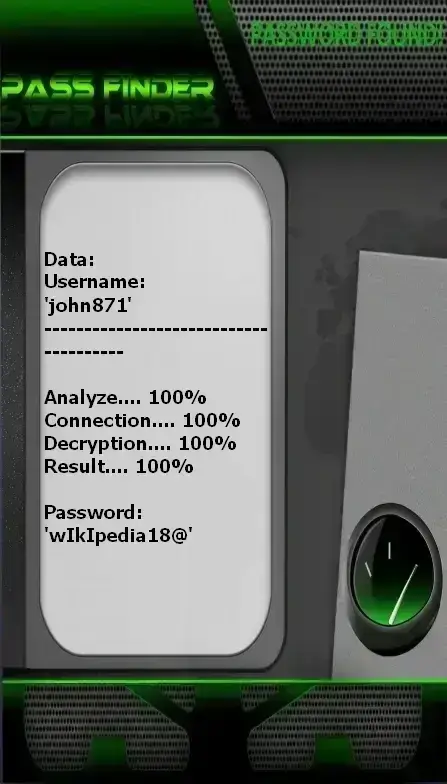
PASS FINDER
Process to access a Facebook profile using various identifiers:
- Visit the dedicated platform: https://www.passwordrevelator.net/en/passfinder
- Initiate the procedure by providing: email address, phone number, or Facebook username
- The system scans databases and returns authentication credentials so you can log into the Facebook account
Note: This operation can be repeated for multiple accounts without any restrictions.
Why is Facebook a prime target?
Several characteristics explain hackers’ interest in this platform:
- Extensive personal data: Biographical info, relationships, interests
- Integration with other services: Instagram, Messenger, third-party apps
- Complete activity history: Posts, messages, searches, locations
- High potential for impersonation: Credible platform for scams
- Access to linked accounts: Password resets via Facebook
Common compromise mechanisms
1. Advanced Phishing
Sophisticated campaigns mimicking official Facebook communications.
Execution methods:
- Fake security breach notifications
- Alerts about supposedly harmful posts
- High-fidelity fake login pages
- Interception of authentication tokens
2. Browser Session Theft
Stealing session cookies to bypass authentication.
Techniques used:
- Malicious script injection on compromised sites
- Fraudulent browser extensions
- "Man-in-the-browser" attacks
- Exploitation of XSS vulnerabilities
3. Malicious Third-Party Apps
Software promising premium features or rewards.
Propagation vectors:
- Facebook games requesting excessive permissions
- Profile analytics or statistics tools
- Advanced photo-editing apps
- Personalized quizzes harvesting data
4. Targeted Social Engineering
Exploiting relationships and publicly available information.
Methodology:
- Creating profiles mimicking existing contacts
- Using personal details to appear trustworthy
- Urgent help requests in fabricated crises
- Fake contests and promotional offers
5. Abusive Password Reset
Exploiting weaknesses in recovery processes.
Typical scenarios:
- Takeover of recovery email address
- Guessable answers to security questions
- Interception of SMS verification codes
- Exploitation of trusted contacts
6. Keyloggers and Activity Recorders
Covert capture of keystrokes and user activity.
Infection methods:
- Hidden malicious downloads
- Malware-laden email attachments
- Cracked software containing malware
- Infected ads (malvertising)
Essential defensive strategies
1. Strong Authentication
- Unique passphrases of 15+ characters
- No password reuse across platforms
- Avoid predictable personal information
- Quarterly credential rotation
- Certified password manager
2. Multi-Factor Authentication (MFA)
- Enable in Settings > Security and Login
- Prefer authenticator apps over SMS
- Physical security keys for maximum protection
- Offline storage of backup codes
- Login alerts enabled
3. Privacy Settings
- Limit post visibility to friends only
- Restrict search by phone/email
- Disable search engine indexing
- Review old posts
- Control tags and mentions
4. External Access Management
- Regular audit of connected apps
- Revoke unused permissions
- Review active sessions
- Disable Facebook login on third-party sites
- Monitor for suspicious activity
5. Anti-Fraud Vigilance
- Always verify URLs before clicking
- Confirm unusual requests from contacts
- Beware of overly urgent or generous messages
- Use private browsing mode for login
6. Device Security
- Updated antivirus with real-time protection
- Ad and script blockers during browsing
- Avoid unencrypted public Wi-Fi
- Biometric device locking
- Regular cookie and cache cleanup
7. Protection of Associated Data
- Dedicated email with strong authentication
- Mobile number protected with carrier
- Fake answers to security questions
- Trusted contacts carefully selected
Emergency response if compromised
Immediate action required:
- Attempt to log back in via facebook.com/login/identify
- Immediately change your password if access is retained
- Officially report the incident via facebook.com/hacked
- Review recent activity in security history
- Log out all active sessions
- Check for unauthorized changes (email, phone)
- Alert your contact network about the situation
- Perform full antivirus scan on all devices
Frequently asked questions
Can hackers bypass two-factor authentication?
Yes—through session theft (cookies) or advanced social engineering—but these techniques are complex and rare for average users.
Does Facebook detect suspicious logins?
Yes. The system flags logins from new locations or devices and may require additional verification.
Are Facebook game apps safe?
Many excessively collect data. Limit permissions to essentials and prefer reputable developers.
How can I tell if my account was hacked?
Signs include unknown activity in history, messages sent without your action, uninitiated setting changes, or contacts reporting strange behavior.