
Home / Blog / Energy and Green IT
Jackdaw Gasfield Approval Sparks New Debate Over Climate
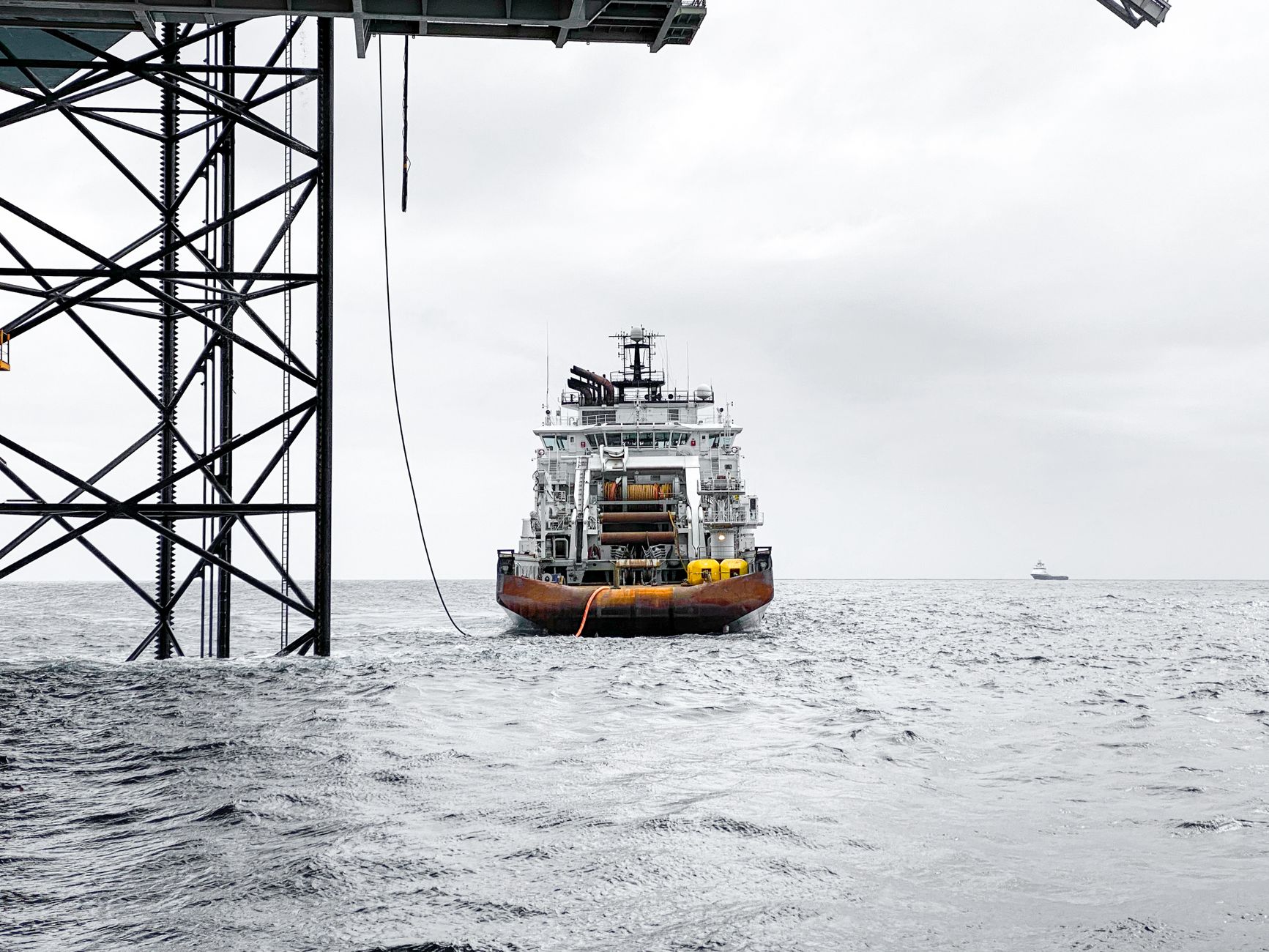
Understanding the Jackdaw Gasfield Approval Decision
The recent decision by energy secretary Miatta Fahnbulleh to approve drilling in the North Sea gasfield known as Jackdaw has reignited debates surrounding the ongoing climate crisis. Located 150 miles from Aberdeen, the site was initially granted consent in 2022 under the Conservative government for a joint venture between Shell and Equinor. Following a legal challenge and subsequent judicial review by environmental campaigners, the operating companies were required to resubmit their applications with updated climate impact assessments. This approval comes alongside plans for a new wealth fund designed to channel tax revenues from oil and gas into low-carbon projects.
Supporters of the development argue that the UK continues to rely heavily on natural gas and that approving domestic production prevents reliance on foreign imports without altering global consumption patterns. Proponents also suggest that maintaining a gradual decline in North Sea operations helps retain skilled workers needed for the broader green transition. However, critics point out that Jackdaw will provide only a small fraction of the nation's total gas supply over its lifespan while adding to global fossil fuel totals. Organizations such as Greenpeace and Uplift emphasize that geological decline, rather than shifting political willpower, dictates the future of North Sea extraction.
Beyond the immediate controversy of new drilling permits, the broader conversation centers on domestic energy efficiency and heating. A vast majority of UK homes still rely on traditional gas boilers, while adoption rates for electric heat pumps remain among the lowest in Europe. Past initiatives to improve home insulation have faced administrative hurdles, funding cuts, and technical challenges regarding damp and mould. Experts note that shifting focus toward large-scale home retrofitting and insulation programs could create thousands of jobs while simultaneously cutting consumer bills and reducing national emissions without relying on new fossil fuel extraction.
Practical Steps to Cut Your Own Energy Consumption
While national energy policies spark widespread debate, individuals and businesses can take immediate control of their power consumption. Optimizing daily digital habits and hardware efficiency offers a practical way to lower electricity bills and reduce environmental impact.
1. Audit Your Computer Power Settings
Desktop computers often draw substantial power even when idle. Reviewing operating system power plans ensures that monitors and hard drives sleep when not in use. For comprehensive power management, utilizing tools like KAR Energy Software can cut a PC's electricity use by up to 48% without disrupting workflow.
2. Understand How Hardware Consumes Power
Different components draw varying amounts of electricity depending on workloads. Learning about desktop pc electricity consumption helps identify which workstations or peripherals require the most power, allowing you to target efficiency upgrades effectively.
3. Implement Network-Wide Energy Policies
Organizations managing multiple computers should deploy centralized power strategies. Configuring KAR Energy on a network ensures that entire fleets of office machines shut down or enter low-power states during off-hours, significantly reducing corporate energy footprints.
4. Explore Energy Reduction Strategies
Adopting sustainable digital practices involves more than just changing software settings. Reviewing guides on how to reduce pc energy use provides actionable insights into hardware longevity, standby power draw, and efficient office routines.
Frequently Asked Questions About Energy and Policy
What is the Jackdaw gasfield?
Jackdaw is a small natural gasfield located in the North Sea, approximately 150 miles away from Aberdeen, managed as part of a joint venture between Shell and Equinor.
Why was the original 2022 consent blocked?
Campaigners successfully challenged the initial approval through a judicial review, forcing the operating companies to resubmit their applications with updated information concerning the climate impact of the gas.
How much of the UK's gas will Jackdaw provide?
Estimates from NGOs suggest that Jackdaw will supply roughly 2% of the total UK gas demand over its operational lifespan, doing very little to eliminate foreign imports.
What are the main arguments for and against the approval?
Proponents claim it supports tax revenues and job retention during the energy transition, while critics argue it increases global fossil fuel supplies and conflicts with net-zero commitments.
Key Points on Energy and Efficiency
- The Jackdaw gasfield approval highlights ongoing tensions between fossil fuel extraction and net-zero climate commitments.
- North Sea production is constrained primarily by geology rather than political decisions, with output declining steadily.
- Home insulation and heat pump adoption remain vital areas for reducing national gas reliance.
- Individuals and organizations can immediately lower their carbon footprint by optimizing workstation power usage.
Navigating the complex landscape of energy policy requires a balance between large-scale industrial transition and personal efficiency. By taking steps to minimize unnecessary power consumption at the desktop level, users can actively contribute to energy savings while waiting for broader infrastructural changes to take effect.