
Home / Blog / Energy and Green IT
California EV Charging Standards and Reliability Rules
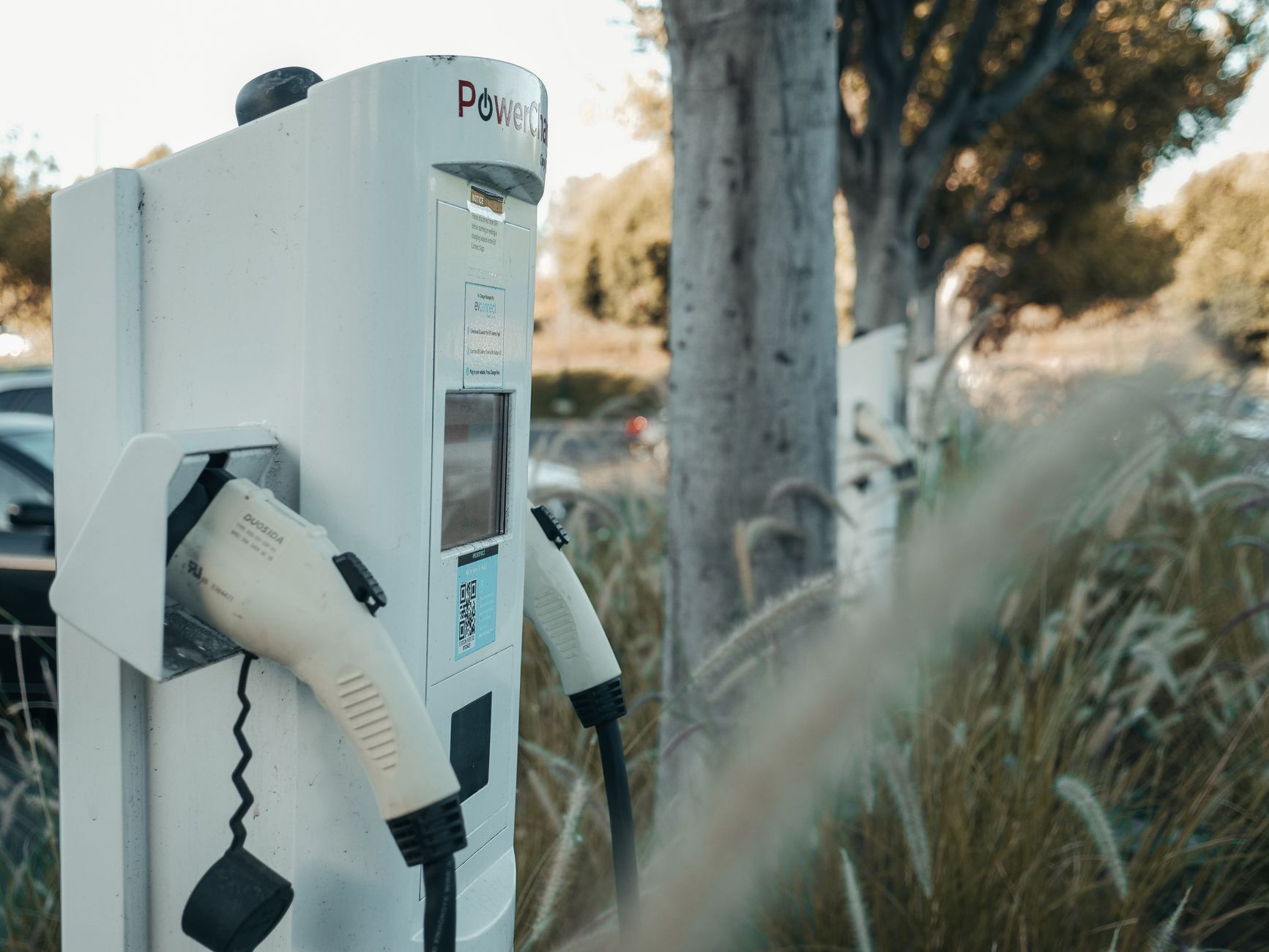
California Takes Aim at Public EV Charger Reliability
Dependable public power supply infrastructure remains a critical barrier for electric vehicle uptake nationwide. Because this jurisdiction hosts more electric vehicles than any peer region, local authorities have taken a definitive stance to correct historical shortcomings. Laws enacted in recent years mandate that the state energy agency oversee strict performance benchmarks and information-sharing protocols for any charging provider accepting funds distributed by regional authorities or regulated utility companies.
To qualify for financial incentives through the primary regional electric vehicle infrastructure initiative, applicants must fulfill exhaustive criteria. This involves deploying approved hardware along with authorized digital management solutions while submitting regular performance telemetry. Critics from major charging networks argue that these mandates amount to burdensome administrative paperwork that fails to directly elevate equipment uptime. Conversely, program administrators emphasize that disbursing public capital necessitates verifiable accountability to guarantee that installations genuinely serve local motorists.
Representatives managing incentive distributions stress that taxpayer-supported hardware must function consistently under real-world conditions. A cornerstone of these updated guidelines is the mandatory inclusion of a specific communication standard on direct-current fast-charging stations activated after late September. This framework, known as version 2.0.1 of the Open Charge Point Protocol, ensures that physical power stalls and backend management platforms built by competing developers can exchange messages seamlessly. Implementing this uniform communication language drastically minimizes the threat of equipment abandonment and driver estrangement if a particular manufacturer or network provider abruptly closes its doors.
Such fears are far from theoretical, evidenced when a major North American network operator abruptly terminated its operations, stranding thousands of commercial units running proprietary software. Independent industry specialists worked extensively to transition those orphaned plugs onto alternative management software, though the process proved difficult. Equipment specialists also note that missing telemetry continues to hamper field technicians who lack comprehensive diagnostic visibility. Furthermore, managing the complex operational handoffs between hardware checks, vehicle signaling, and payment authorization remains an ongoing hurdle for widespread network dependability.
What These Regulatory Shifts Mean for the Industry
Navigating the intersection between rigid government mandates and market innovation requires careful strategic alignment. As oversight bodies act simultaneously as referees and facilitators, the push for standardized data protocols underscores the broader corporate responsibility to evaluate hardware upgrades and power demands for savings across all operational domains. To foster cooperative problem-solving, regional grants have established dedicated testing facilities like the Capital Charge Yard. Bringing together prominent automotive and charging equipment manufacturers, this testing ground offers structured training for technicians to verify that plugs operate flawlessly right upon initial connection.
Practical Steps for Better Energy and Infrastructure Management
Organizations managing heavy-duty fleets or commercial infrastructure must adapt to shifting regulatory frameworks. Proper planning ensures compliance and reduces long-term operational downtime.
-
Audit Current Power Infrastructure
Organizations managing heavy-duty equipment or EV fleets should review their current electrical draw and operational bottlenecks. Understanding baseline energy metrics helps identify vulnerabilities before upgrading to newer systems. For further assistance with reviewing your setup, consult our assistance page to connect with technical support resources.
-
Standardize Software Protocols
When selecting charging networks or digital management tools, prioritize vendors that support open communication standards like OCPP. This prevents vendor lock-in and protects against unexpected business closures.
-
Optimize Office and Desktop Efficiency
Beyond vehicle fleets, organizations can reduce overhead by targeting office power consumption. Utilizing specialized tools like KAR Energy Software helps streamline office power usage, noting that KAR Energy Software can cut a PC's electricity use by up to 48%.
-
Monitor Performance Metrics Closely
Implement continuous data tracking to catch hardware failures early. Consistent performance reporting ensures accountability and minimizes downtime across all operational assets. You can review our detailed documentation to learn how to properly configure tracking tools.
Frequently Asked Questions
Why are new rules being applied to California EV chargers?
State legislation directs regulatory bodies to enforce strict performance and data-collection mandates on charging equipment installers receiving public funds to combat widespread infrastructure reliability issues.
What is OCPP 2.0.1 and why does it matter?
It is an updated communication standard enabling charging hardware and network software from different developers to interface properly, mitigating the risk of stranded assets if a provider ceases operations.
How do testing labs help improve charger reliability?
Specialized testing yards financed by state grants provide neutral environments where automotive and charging enterprises can conduct technician training and validate hardware functionality ahead of public rollouts.
Are incentive programs addressing past issues with defunct manufacturers?
Administrators continuously refine long-standing medium and heavy-duty vehicle incentive schemes to address historical hiccups, counter potential pricing distortions, and target dependable manufacturing partners.
Key Points on Infrastructure Reform
- Regional energy commissions now enforce rigorous performance benchmarks for all public charging installations utilizing state financial backing.
- Mandating advanced communication protocols prevents hardware abandonment when commercial network operators shut down their businesses.
- Collaborative testing laboratories allow competing vehicle manufacturers and station developers to verify functional compatibility prior to public deployment.
Striking the right balance between stringent accountability measures and supportive innovation spaces remains vital for the future of clean transportation. As administrative guidelines continue to evolve, the ultimate objective is delivering a dependable, frictionless experience for every motorist utilizing public charging stations.