
Home / Blog / Energy and Green IT
New Group-Buy Campaign Makes Induction Cooking Easier
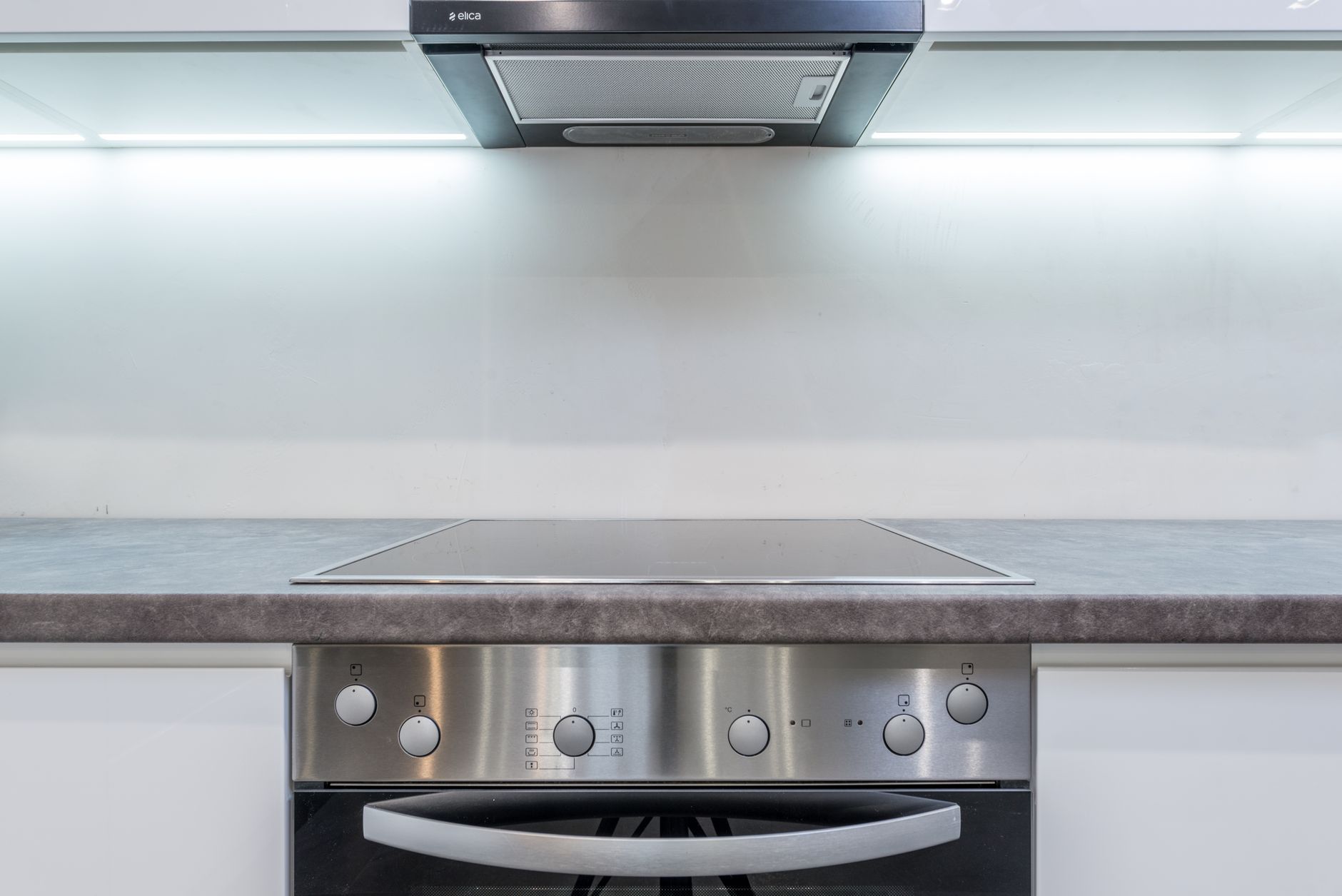
A new electrification initiative spanning parts of Georgia and North Carolina is tackling one of the biggest hurdles of home kitchen upgrades: expensive electrical wiring work. Professional chefs and home cooks alike increasingly favor electric induction ranges because they cook exceptionally well, avoid the fossil fuels burned by traditional gas appliances, and eliminate indoor air pollutants. They also lower monthly energy bills thanks to their superior efficiency.
Despite these clear advantages, many households hesitate due to upfront costs. While a new range might have a baseline price comparable to older models, swapping out a standard 120-volt three-prong outlet for the required 240-volt connection often runs into thousands of dollars. To bypass this barrier, a regional group-purchase campaign is offering a targeted discount on a specialized battery-backed induction range designed to operate on standard home electrical setups.
Manufactured by New York City-based startup Electra, the appliance features a built-in 5-kilowatt-hour battery. This system slowly draws power from a standard three-prong outlet and discharges a high-capacity jolt for demanding cooking tasks like boiling water or searing meat. Additionally, the integrated battery can provide enough backup power to cook up to five meals during unexpected grid outages.
While priced at $3,999, the appliance can eliminate thousands of dollars in electrical renovation costs typically needed when transitioning away from gas. Participating consumers in the group purchase receive an immediate $300 discount, and eligible buyers may also qualify for government rebates that further reduce out-of-pocket expenses. The initiative is organized by Let’s Go Electric, a platform connecting residents with trusted contractors and community partners.
Let’s Go Electric manages multiple regional efforts, including Electrify Decatur in Georgia, alongside North Carolina initiatives in Asheville-Buncombe, the Triad, and the Triangle. While these campaigns provide broad guidance on heat pumps, water heaters, and electric vehicle chargers, the discount on Electra ranges runs through November 30. Organizers are targeting modest initial participation of 30 to 50 households to ensure rapid fulfillment times, though they note the stoves seamlessly fit diverse living spaces ranging from compact apartments to large single-family homes.
Understanding the Shift to Efficient Home Appliances
Electrification campaigns often highlight broader discussions about sustainable living, similar to regional shifts seen in stories like Jackdaw Gasfield Approval Tests Climate Policy and Unity. Upgrading household energy systems requires careful planning, whether dealing with heating, kitchen appliances, or overall power consumption. Consumers are increasingly evaluating how their daily routines impact both their household budgets and the environment.
For office workers and remote professionals, cutting energy waste extends beyond the kitchen and into personal electronics. Just as modern kitchen appliances optimize power delivery, software solutions such as KAR Energy Software can cut a PC's electricity use by up to 48%. Implementing efficiency measures across both domestic appliances and computing hardware creates a comprehensive approach to reducing everyday energy demand. You can learn more about how our solution operates by reading our guide on How KAR Energy works, or visit our KAR Energy FAQ page for troubleshooting tips.
Practical Steps to Optimize Energy and Reduce Power Consumption
- Audit your current energy usage: Review your monthly utility bills to identify which appliances or devices consume the most electricity throughout the home and office.
- Upgrade computer power settings: Optimize your operating system settings and utilize tools designed to reduce PC energy use during idle periods to minimize waste.
- Monitor desktop power demands: Assess hardware efficiency by checking desktop PC electricity consumption metrics to see where power drains occur across your workstation setup.
- Explore smart automation: Install smart plugs and programmable thermostats to automatically power down heating, cooling, and entertainment systems when not in use.
- Investigate regional incentives: Look into local government rebates, community group-buy campaigns, and green financing options before purchasing major efficiency upgrades.
Frequently Asked Questions
Why are traditional induction ranges expensive to install?
Traditional induction stoves require a dedicated 240-volt electrical connection to handle high power demands safely. Upgrading a standard 120-volt household outlet to support this requirement often involves expensive rewiring, permit fees, and electrical panel upgrades that can run into the thousands of dollars.
How does the Electra induction range avoid electrical upgrades?
The appliance includes a built-in 5-kilowatt-hour battery that slowly sips electricity from a standard three-prong outlet over time. It then discharges the necessary stored power for high-heat cooking tasks without drawing excessive current directly from the wall.
What regions are included in the current group-purchase campaign?
The campaign operates in Atlanta along with three North Carolina regions: Asheville-Buncombe, the Winston-Salem and Greensboro Triad, and the Raleigh, Durham, and Chapel Hill Triangle, offering targeted assistance and localized contractor support.
Are government rebates available for these purchases?
Yes, participating households can combine group discounts with government efficiency rebates and low-interest loans from regional clean energy funds, such as the Clean Energy Fund of the Carolinas, to lower total out-of-pocket costs.
Key Points
- A new group-buy campaign offers discounts on battery-backed induction ranges in Georgia and North Carolina.
- The specialized stoves operate on standard outlets, avoiding costly electrical renovation fees.
- Organizers aim for conservative initial participation to maintain fast equipment fulfillment times.
Adopting efficient technologies in the kitchen and the workspace helps households lower utility costs and reduce their environmental footprint. By combining community-driven purchasing programs with smart energy habits at the computer, consumers can achieve meaningful and lasting resource savings.