
Home / Blog / Energy and Green IT
False Autumn Hits Stressed Trees After Scorching Summer
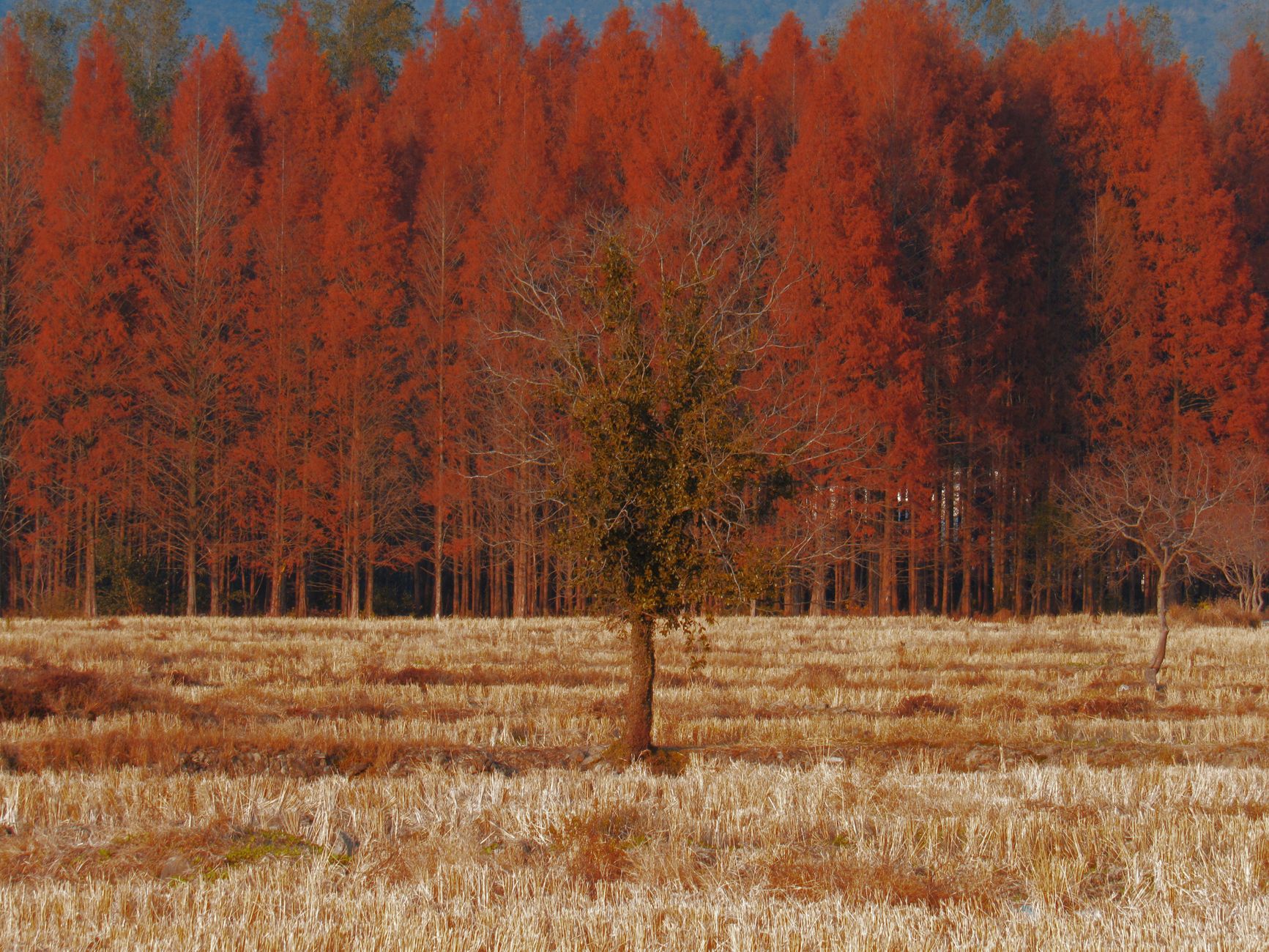
A scorching summer and ongoing drought conditions across England and Wales have triggered an unusual natural phenomenon known as a "false autumn". At Wisley garden in Surrey, south-east England, the impact of extreme weather is visible among the diverse foliage. While many plants continue to display vibrant hues of red, purple, and copper, certain trees stand entirely stripped of their canopies ahead of schedule.
According to horticultural experts, shallow-rooted species have suffered the most under months of intense heat and dry soil. Trees like the birch have dropped their leaves early simply to prevent further water loss through their foliage, resulting in bare branches instead of the usual bright seasonal colors. This disruption breaks the traditional cycle of autumn, which is typically triggered by shorter days, cooler nights, and adequate rain rather than survival stress.
While oaks and other deep-rooted trees have managed to tap into deeper groundwater to weather the dry spell, species such as birch, beech, and sycamore have borne the brunt of the drought. With reservoirs and river levels running low, experts note that the traditional timeline for peak autumn color is shifting. Strong winds from incoming storms also pose a threat of damage to trees already weakened by prolonged dry conditions.
Understanding Climate Shifts and Environmental Strains
The changing behavior of seasonal foliage highlights broader environmental pressures that extend far beyond public gardens and forests. Much like the ecosystem strains analyzed during past extreme periods, such as those detailed in the BOM Temperature Records Under Attack Again review, high temperatures test the limits of natural and human-made infrastructure alike. Adapting to these shifts requires a conscious effort to reduce overall resource consumption, whether in large-scale agriculture, urban planning, or everyday office operations where electronic equipment generates excess heat and drains power.
When office equipment runs inefficiently during hot weather, it adds unnecessary thermal loads to indoor environments and spikes energy demand. Organizations and individuals can mitigate this impact by adopting smarter hardware management policies. Reducing power consumption on desktop computers not only lowers electricity bills but also lessens the strain on regional energy grids during peak heat events. Utilizing dedicated tools like KAR Energy Software offers a practical way to achieve these reductions without disrupting daily workflows.
Practical Steps to Lower PC Energy Consumption
Implementing effective power-saving measures helps organizations and home users conserve resources and adapt to environmental pressures. Follow these structured steps to minimize your hardware's energy footprint:
Audit Your Current Power Settings
Review the existing power plans on all desktop computers and workstations. Ensure that sleep and hibernation modes activate after short periods of inactivity to prevent systems from drawing unnecessary power when unattended.
Deploy Automated Energy Management Tools
Install KAR Energy Software to optimize power usage automatically across individual machines or an entire network. This approach can cut a PC's electricity use by up to 48%, helping to significantly reduce PC energy use without requiring manual intervention from employees.
Monitor System Efficiency Over Time
Keep track of hardware performance and energy metrics using built-in guides and documentation. Understanding desktop PC electricity consumption helps you identify power-heavy systems and adjust management policies accordingly.
Review Installation and Network Guidelines
Ensure that energy management policies are deployed consistently across all office machines. Consult official instructions on installation to roll out efficiency software smoothly across your organization.
Frequently Asked Questions
To help clarify the environmental facts and operational efficiency steps mentioned above, here are answers to four common questions.
What causes a false autumn in trees?
A false autumn occurs when severe summer heat and drought stress trees, prompting them to drop their leaves prematurely to conserve water.
Which tree species are worst affected by the drought?
Shallow-rooted trees such as birches, beeches, and sycamores have been worst affected because they cannot tap into deeper groundwater.
How can companies reduce their office energy consumption?
Companies can reduce office energy use by auditing power settings, deploying automated optimization tools, and cutting idle power draw on workstations.
How much energy can efficient software save on a PC?
Using specialized management tools can cut a desktop computer's electricity consumption by up to 48% depending on usage patterns and hardware.
Key points
- Severe summer drought across England has caused drought-stressed trees to drop leaves early in a false autumn phenomenon.
- Shallow-rooted trees like birches and beeches lost foliage prematurely to prevent water loss.
- Horticulturists are rethinking future plantings, favoring deep-rooted resilient species.
- Organizations can reduce their own environmental footprint by curbing unnecessary electricity use on office computers.
Adapting to changing environmental conditions requires action at every level, from replanting resilient tree species in public spaces to managing daily energy consumption in homes and offices. By taking small, deliberate steps to conserve resources, we can ease the cumulative strain on our natural and technological infrastructure.