
Home / Blog / Energy and Green IT
Improving Public EV Charging Reliability and Standards
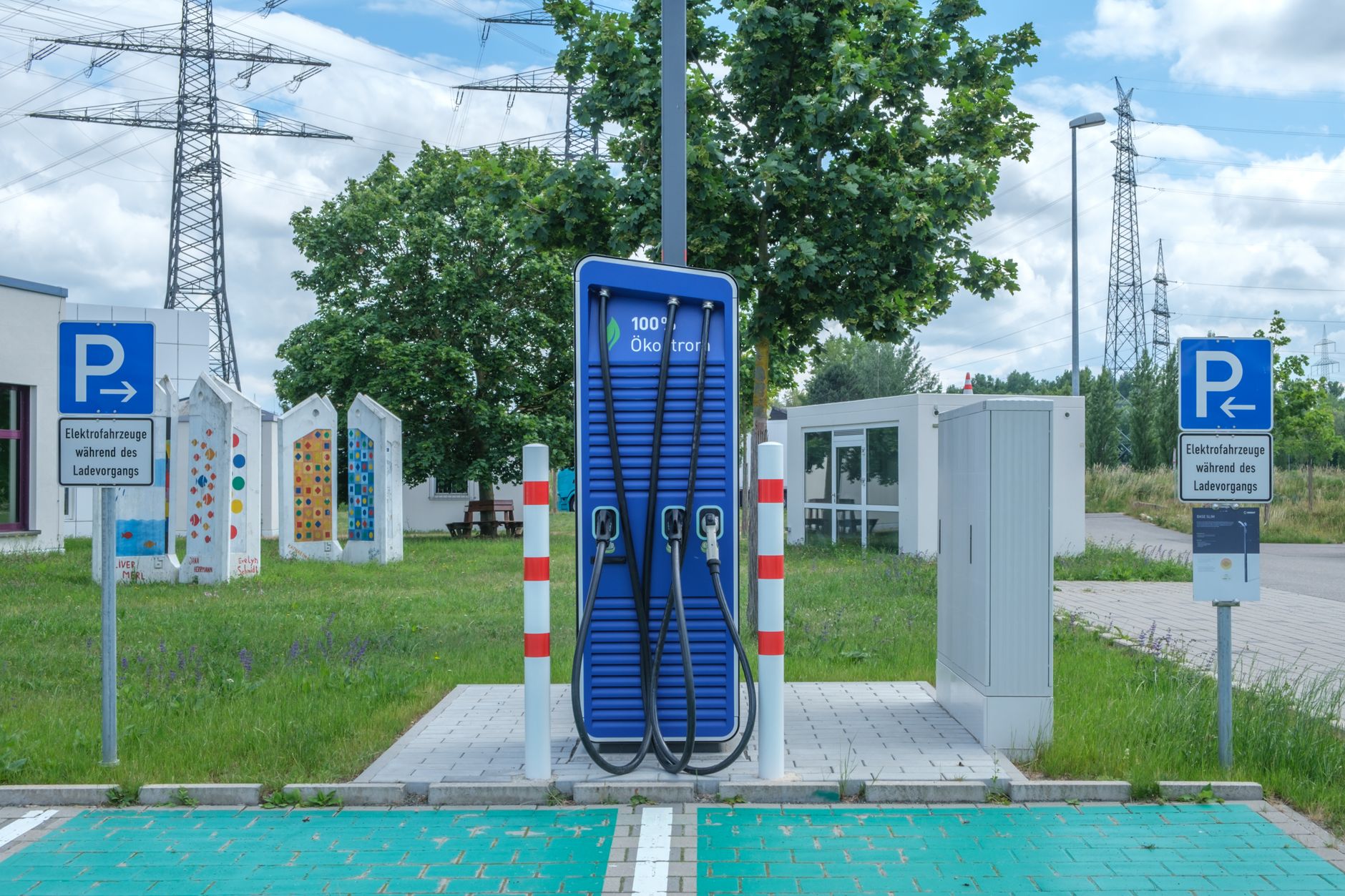
Public Electric Vehicle Charging Reliability Challenges
Public electric vehicle charging networks form the backbone of modern clean transportation initiatives. Yet, anyone who relies on these chargers for daily commuting or long-distance travel knows that broken screens, offline payment terminals, and inactive plugs remain far too common. Solving these persistent reliability issues requires a multi-pronged approach that targets hardware durability, software maintenance, and stringent performance standards across every operating region.
When drivers encounter unreliable infrastructure, their confidence in electric mobility plummets. Transitioning away from internal combustion engines depends heavily on the certainty that a public plug will deliver power safely and efficiently every single time. Achieving this level of dependability demands coordinated efforts from charging network operators, equipment manufacturers, and regulatory bodies alike to eliminate blind spots in service coverage.
Beyond the physical charging stalls, supporting infrastructure must be carefully managed to reduce unnecessary electrical draw and avoid straining local power grids. While public networks scale up to meet future demand, offices and homes can also optimize their own power profiles. For instance, deploying advanced solutions like KAR Energy Software helps organizations reduce PC energy use significantly across large office networks, demonstrating that energy efficiency matters just as much at the desktop level as it does out on the highway. Reviewing detailed desktop electricity consumption metrics gives administrators clear visibility into how everyday office hardware impacts the broader electrical grid.
Furthermore, maintaining high performance across public charging installations requires continuous investment in diagnostic tools and field technician training. When charging hardware fails, the time elapsed before a repair crew arrives directly impacts overall network reliability metrics. Implementing remote monitoring software allows operators to identify faults before drivers even arrive at the stall, turning reactive service calls into proactive maintenance routines that keep stations online.
As electric vehicle adoption accelerates, regional planning authorities must also consider how local grid capacity interacts with high-power charging corridors. Without intelligent load management, clusters of fast chargers can trigger transformer overloads during peak traffic hours. Integrating battery storage systems and localized microgrids can buffer these power spikes, ensuring that public chargers remain functional even when regional electrical grids experience high demand.
The Lasting Problem of Unreliable Infrastructure
The core issue plaguing public charging infrastructure is a historical lack of accountability for long-term maintenance and uptime. Many early charging stations were deployed rapidly to satisfy initial grant requirements or deployment targets, with less emphasis placed on post-installation servicing. As a result, when components fail due to weather exposure, heavy physical use, or software bugs, repairs can take weeks or even months. This poor maintenance loop damages public perception and slows down the broader adoption of zero-emission vehicles.
Furthermore, disparate software protocols and payment systems create unnecessary friction for everyday drivers. A fragmented user experience means motorists often need multiple apps and RFID cards just to find a functioning stall and complete a simple transaction. To overcome these barriers, the industry must pivot toward standardized diagnostic tools, transparent uptime reporting, and proactive maintenance schedules that catch faults before they frustrate consumers.
Infrastructure planners also face complex zoning hurdles, supply chain delays for heavy electrical components, and long queues for grid connection approvals. Without robust policy frameworks that incentivize high service levels, private operators may underinvest in spare parts inventories and field technicians. Addressing these structural deficiencies requires clear performance benchmarks tied directly to ongoing operational subsidies and deployment grants.
Municipalities and regional authorities are increasingly recognizing that dependable charging networks are essential public utilities, much like traditional fuel stations or electrical grids. As the number of battery-powered vehicles on the road multiplies year over year, public charging must scale not only in raw quantity but also in operational quality. Achieving this goal requires sustained collaboration between tech developers, utility providers, and local government agencies.
Another overlooked challenge involves physical accessibility and station ergonomics. Chargers that lack proper lighting, weather shelters, or adequate turning radiuses for larger vehicles create secondary safety hazards. Upgrading site design alongside internal electrical components ensures that public charging spaces remain welcoming, safe, and fully functional for every segment of the driving population.
Steps to Improve Charging Reliability and Standards
Implement Strict Uptime Mandates
Regulatory agencies and network operators must enforce minimum uptime requirements for all publicly funded charging stations. Stations that fall below acceptable operational thresholds should face financial penalties or lose eligibility for future infrastructure grants. Enforcing these rules forces operators to prioritize regular physical inspections, swift component repairs, and robust remote monitoring systems.
Adopt Open Software Standards
Proprietary software silos often prevent independent technicians from diagnosing and repairing broken charging units efficiently. Embracing open communication protocols allows for seamless remote diagnostics, over-the-air firmware updates, and universal payment methods that eliminate tedious app requirements for drivers. Interoperability ensures that any qualified service provider can service station hardware without relying on closed manufacturer networks.
Upgrade Hardware Durability
Public chargers face severe environmental stress, from freezing winter temperatures and torrential rain to extreme summer heatwaves, alongside heavy physical wear and tear. Manufacturers must build robust enclosures, weather-resistant cables, and vandal-proof touchscreens that withstand daily public abuse without failing prematurely. Selecting industrial-grade internal components drastically reduces unexpected hardware failures.
Streamline Grid Interconnection Processes
Delays in connecting new charging stations to the local electrical grid represent a major bottleneck for infrastructure expansion. Streamlining the permitting, utility review, and transformer installation phases will allow operators to deploy reliable high-power corridors much faster. Early coordination with local electric utilities prevents costly redesigns and long waiting periods.
Establish Transparent Reporting Systems
Consumers deserve real-time data regarding whether a specific charging plug is operational, occupied, or out of service. Requiring networks to feed live status information into open mapping databases empowers drivers to plan trips accurately and holds operators publicly accountable for prolonged outages.
In recent news
Regional policies and environmental pressures continue to shape how modern power systems and infrastructure are managed. For instance, recent regulatory updates highlight how California EV Charging Standards and Reliability Rules are setting new benchmarks for public station uptime. Meanwhile, broader energy constraints are evident as UK AI Grid Queue Threatens Tech Growth After Microsoft Exit, demonstrating that power availability remains a critical factor for large-scale electrical projects.
FAQ
Why are public electric vehicle chargers often out of order?
Public chargers frequently break down due to harsh weather exposure, heavy physical usage, component wear, and occasional software communication failures. Without proactive maintenance schedules and robust industrial components, these faults can persist for extended periods, frustrating everyday drivers who rely on public power networks.
How do uptime standards help improve public charging?
Uptime standards legally or contractually obligate network operators to keep their stations functional a high percentage of the time. This incentivizes better maintenance practices, faster repair times, and more reliable replacement parts inventories across the entire regional charging network.
What role do open protocols play in charging infrastructure?
Open communication protocols ensure that different hardware components, management software, and payment systems can work together smoothly. This interoperability simplifies repairs for third-party technicians and makes the charging process much easier for drivers who want simple, universal payment options.
Can energy management tools reduce pressure on charging networks?
Yes, smart energy management software helps balance electrical loads, schedule charging sessions during off-peak hours, and prevent localized grid overloads. These digital tools ensure a more stable supply of electricity for charging stations and residential neighborhoods alike.
Key points
- Public EV charging reliability is vital for consumer confidence and clean transport adoption.
- Strict uptime mandates and open software standards help reduce out-of-service bottlenecks.
- Durable hardware and streamlined grid connections accelerate the deployment of dependable stations.
Improving public electric vehicle charging reliability requires a dedicated focus on maintenance, smart software integration, and sensible regulatory standards. By holding operators accountable, streamlining grid interconnections, and investing in robust hardware, the transportation sector can build a dependable charging network that serves everyone efficiently for decades to come.