
Home / Blog / Artificial intelligence
Geothermal Plant Goes Live at Utility Scale Worldwide
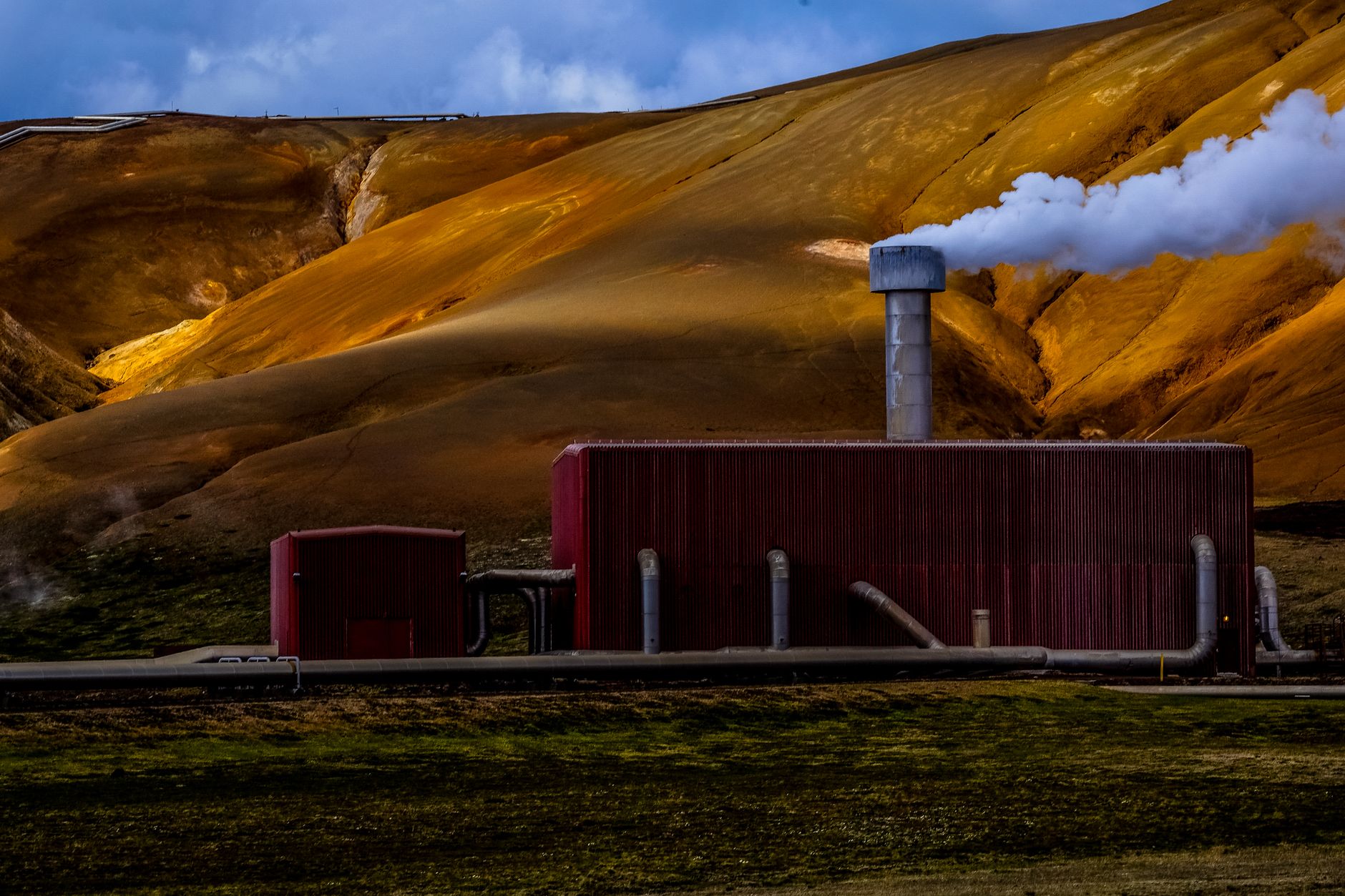
Next-Generation Geothermal Energy Reaches Utility Scale
A major milestone has been achieved in the renewable energy sector as a next-generation geothermal facility begins supplying power to the electrical grid. The geothermal startup Fervo Energy has brought its Cape Station project in Utah online, selling power commercially. This development marks the first time worldwide that a utility-scale facility utilizing advanced engineering techniques has accomplished this operational feat, opening new pathways for clean, round-the-clock electricity generation.
The Houston-based company activated an initial 33-megawatt unit, completing tests and ramping up output ahead of commercial operations. Under agreements in place, the facility supplies carbon-free electricity to a retail power provider in California. Unlike traditional geothermal operations that rely on naturally occurring hot water and steam, Cape Station utilizes advanced drilling techniques adapted from the oil and gas industry. These methods create engineered reservoirs deep underground within hot, dry rocks, generating the necessary steam to produce electricity in regions where conventional methods would not be viable.
Following this initial success, the organization plans to commission two additional 33-MW power blocks by January 1, 2027. Construction is also underway on the remainder of the 500-MW project, supported by agreements with major technology entities. This expansion arrives as clean energy developers face soaring demand from data centers and the continuous need to balance intermittent solar and wind supplies. While geothermal currently represents a small fraction of total annual generation, advocates point to these projects as proof that advanced thermal techniques can scale efficiently to meet modern power demands.
Understanding the Impact of Advanced Geothermal Power
The successful launch of engineered geothermal systems represents a significant shift for electricity markets. Traditional geothermal is geographically constrained to areas with natural hydrothermal resources. By engineering underground reservoirs in hot, dry rock formations, developers can unlock reliable, zero-carbon power across a much wider geographic footprint. This capability is particularly vital for balancing modern grids that rely heavily on intermittent renewable sources like wind and solar.
Furthermore, these installations can operate flexibly to meet peak demand periods, such as evenings when solar generation declines. Alternatively, advanced facilities can be configured to supply power directly to heavy industrial users and data centers. However, realizing this potential requires navigating high upfront capital requirements, regulatory hurdles, and specialized drilling costs. As companies work to evaluate hardware upgrades and power demands for savings, the broader energy ecosystem continues to look for innovative ways to manage overall consumption and infrastructure costs.
Practical Steps to Optimize Energy and Hardware Efficiency
Audit Your Current Power Demands
Begin by measuring the baseline electricity consumption of your office infrastructure, servers, and computing hardware. Identifying peak usage times allows you to target inefficiencies and apply strategic load-shifting practices similar to modern grid management. You can consult the assistance portal for additional setup guidance.
Deploy Energy Management Software
Implement intelligent tools designed to optimize operational resource allocation. For example, utilizing utilities like the KAR Intelligent Computer and related software solutions can drastically reduce system power draw without compromising performance. In fact, KAR Energy Software can cut a PC's electricity use by up to 48%.
Review and Update System Configurations
Adjust operating system power profiles, enable aggressive sleep states for idle equipment, and schedule intensive computational tasks during off-peak hours when overall grid demand and electricity prices are lower. Detailed instructions are available in the installation guide.
Upgrade to Efficient Hardware Components
Replace outdated processors, power supply units, and storage devices with modern, high-efficiency alternatives. Modern hardware generates less waste heat and consumes significantly less electricity under standard workloads.
Monitor Long-Term Savings and Compliance
Maintain ongoing logs of your energy metrics to ensure that implemented changes deliver measurable results over time. Regular reviews help sustain lower operating costs and align your daily operations with broader corporate sustainability goals.
Frequently Asked Questions
What makes the Cape Station project unique compared to older facilities?
Traditional geothermal plants depend on naturally occurring hot water and steam found near the earth's surface. Cape Station uses advanced drilling techniques from the oil and gas sector to engineer its own reservoirs in hot, dry rocks deep underground, enabling power generation in areas previously considered unsuitable.
How much electricity will the completed facility eventually produce?
The Cape Station project is designed to reach a total capacity of 500 megawatts upon full completion. Together with other in-progress developments, the total portfolio represents approximately 1,000 MW of planned clean energy capacity.
Who is purchasing the electricity generated by the new plant?
The initial output supplies carbon-free electricity to a retail power provider in California. Additional agreements are in place for future phases of development to support growing energy needs from corporate buyers and data centers.
What are the primary barriers to expanding geothermal power generation?
Expanding the share of geothermal electricity requires overcoming high upfront drilling costs, navigating complex economic and regulatory barriers, and carefully managing potential environmental and community impacts during development.
Key Points and Summary
- Fervo Energy launched the first utility-scale, next-generation geothermal facility at its Cape Station site in Utah.
- The project utilizes adapted oil and gas drilling techniques to generate steam from hot, dry rock formations.
- Future expansion phases aim to scale the facility to 500 megawatts, supplying clean energy to major buyers and balancing intermittent renewables.
The successful activation of engineered geothermal generation signals a transformative shift in clean energy development. By unlocking scalable, always-on power resources, developers can better support modern electrical grids and meet the soaring electricity demands of data centers and heavy industries worldwide.